
A bank account usually comes with a minimum balance requirement. But what if you want to keep your money in a bank without worrying about maintaining a fixed balance? That is where a Zero Balance Account can be useful.
In India, one important type is the Basic Savings Bank Deposit Account (BSBD). It is designed to provide basic banking services without requiring customers to maintain a minimum balance.
What Is a Zero Balance Account?
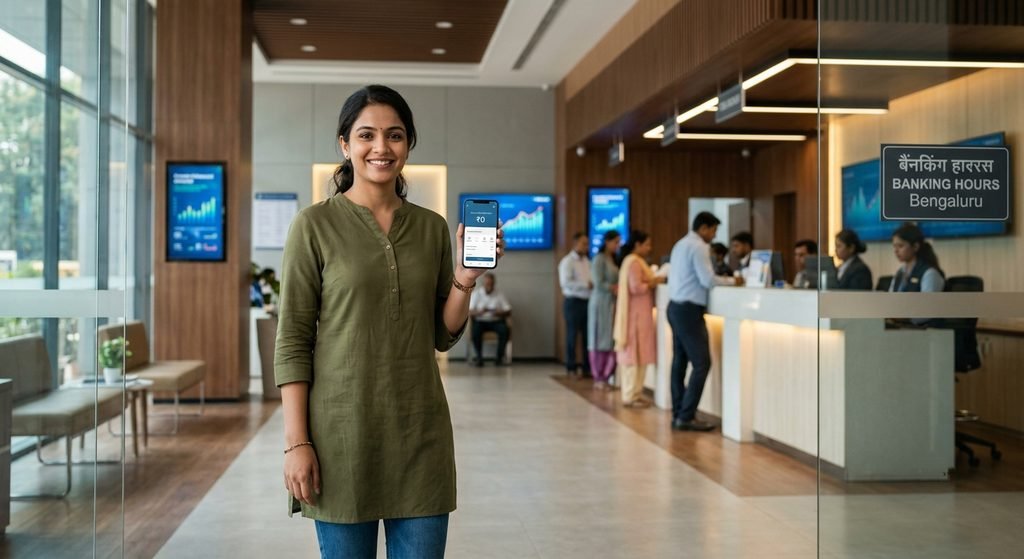
A Zero Balance Account is a bank account where the customer does not have to maintain a minimum balance.
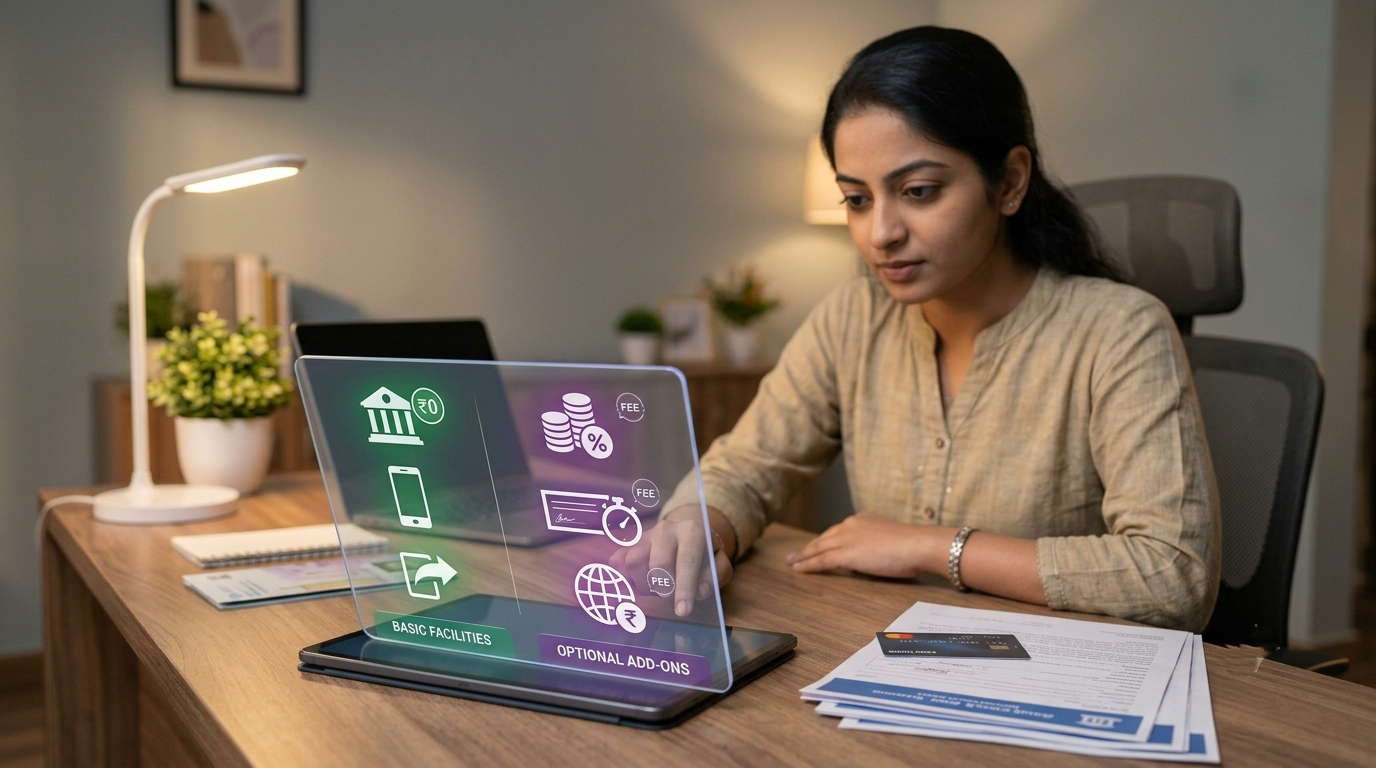
The RBI’s Basic Savings Bank Deposit Account is a key example. It can be opened without maintaining a minimum balance and provides basic facilities such as depositing and withdrawing money, receiving electronic payments and accessing ATM services.
This type of account can be particularly useful for students, low-income workers, pensioners and people who want a simple account for everyday banking.
How Does a Zero Balance Account Work?
The basic concept is simple.
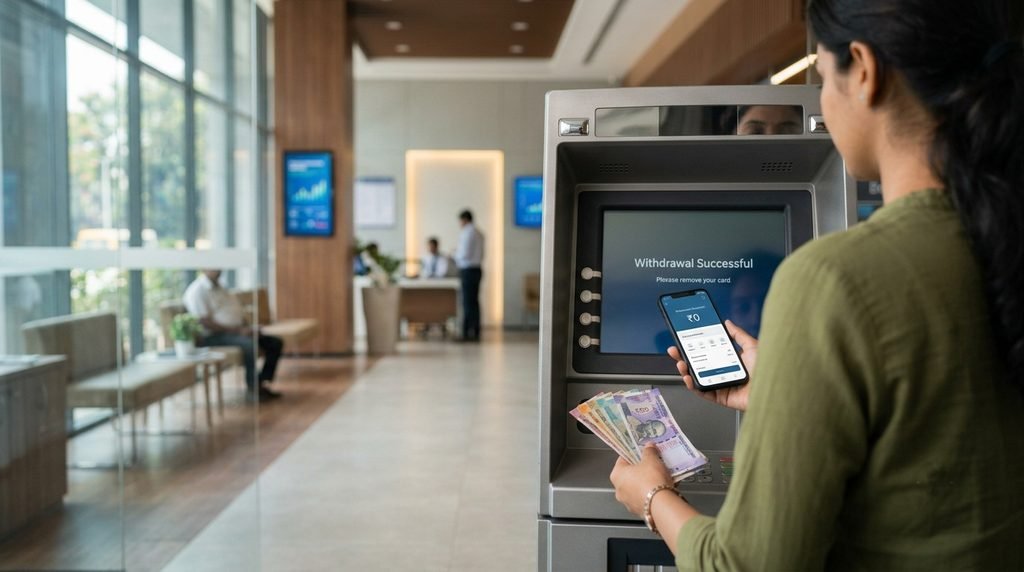
Suppose an account holder has ₹2,000 in the account and later withdraws the entire amount. The balance can become ₹0 without the account being subject to a minimum-balance penalty under the BSBD structure.
RBI’s guidelines state that a BSBD account should not have a minimum balance requirement. The account also supports cash deposits and withdrawals, electronic credits and certain government-related payments.
However, additional services offered by a particular bank may have their own terms and charges. Therefore, customers should check the bank’s current schedule of charges before using optional services.
Key Features of a Zero Balance Account
Some important features of a BSBD account include:
- No minimum balance requirement
- Cash deposit and withdrawal facilities
- ATM access
- Electronic receipt and credit of money
- Government benefit payments can be credited
- Basic banking services for everyday transactions
RBI guidance also provides for a limited number of free withdrawals under the basic BSBD framework. Banks may charge for certain additional services or withdrawals beyond the prescribed basic facilities, depending on applicable rules and their current terms.
Who Can Open a Zero Balance Account?
A BSBD account is intended to make basic banking accessible to a wide range of customers.
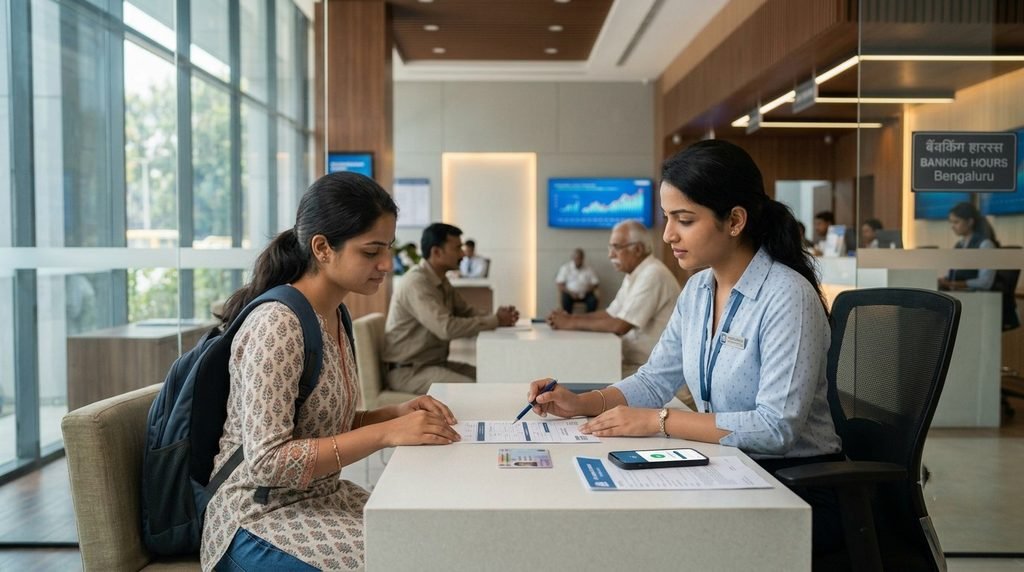
Generally, an individual who satisfies the bank’s KYC requirements can apply for an account. Banks require appropriate identity and address verification before opening an account. RBI’s financial education material notes that KYC documents can include identity and residence proof, subject to the applicable rules.
The exact eligibility criteria, documentation and account-opening process can vary between banks.

How to Open a Zero Balance Account
Opening a Zero Balance Account is generally straightforward.
1. Choose a Bank
First, select a bank that offers a BSBD or another eligible zero-balance savings product.
2. Check the Account Conditions
Before applying, check:
- Minimum balance requirement
- ATM/debit card terms
- Withdrawal limits
- Transaction charges
- Online banking availability
- KYC requirements
This is important because not every account marketed as a “zero balance account” has identical features.

3. Complete KYC
Submit the required KYC information and documents according to the bank’s current requirements.
4. Submit the Application
You can generally apply through a bank branch or, where the bank provides the facility, through its online account-opening process.
5. Activate Banking Services
After verification, the bank may provide account access along with applicable debit/ATM card, mobile banking or internet banking facilities.
Zero Balance Account vs Regular Savings Account
The biggest difference is the balance requirement.
A regular savings account may have a minimum balance requirement depending on the product and bank. A BSBD account, by definition, does not require a minimum balance.
However, regular savings accounts may offer additional features or higher transaction flexibility. Therefore, the best choice depends on how frequently the account will be used and which services are needed.
Things to Check Before Opening One
Before opening a Zero Balance Account, don’t look only at the words “zero balance.”
Check the bank’s latest terms for:
- ATM/debit card charges
- Number of free withdrawals
- Cash transaction rules
- Cheque facilities
- Digital banking services
- Additional service charges
A zero minimum balance does not necessarily mean that every banking service is free.
Frequently Asked Questions
Can I keep ₹0 in a Zero Balance Account?
Yes. A BSBD account does not require a minimum balance, so the balance can be maintained at zero.
Is a Zero Balance Account the same as a normal savings account?
Not necessarily. A BSBD account is a specific type of savings/demand deposit account designed to provide basic banking services without a minimum balance requirement.
Can I receive money in a Zero Balance Account?
Yes. BSBD accounts can receive money through electronic payment channels and certain other permitted methods.
Do Zero Balance Accounts have any charges?
Basic facilities are subject to the applicable RBI framework, but banks may charge for certain additional services. Always check the bank’s latest fee schedule before opening the account.
Conclusion
A Zero Balance Account can be a practical option for people who want access to basic banking without the pressure of maintaining a minimum balance. In India, the Basic Savings Bank Deposit Account provides a standardized route to basic banking services with no minimum balance requirement.
Before opening one, compare the bank’s current terms, transaction limits and service charges to make sure the account matches your banking needs.