

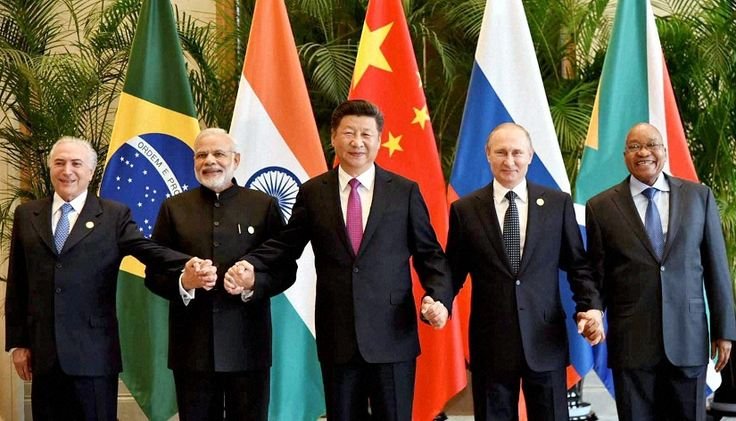
But what is BRICS and its purpose? Why was it created, and how could it affect the global economy?
What Is BRICS and Its Purpose?
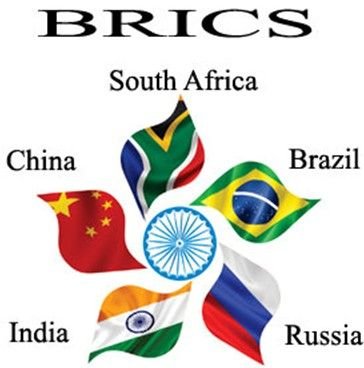
BRICS is a cooperation forum for major emerging economies. The name originally came from Brazil, Russia, India, China and South Africa.
The group focuses on cooperation in areas such as:
- Trade and investment
- Finance and development
- Infrastructure
- Energy
- Technology
- Agriculture
- Global governance
- Cross-border payments
BRICS is also pushing for greater representation of emerging economies in international institutions such as the International Monetary Fund and World Bank.
It is important to understand that BRICS is not a military alliance or a single economic union. Its members remain independent countries with different political and economic interests.
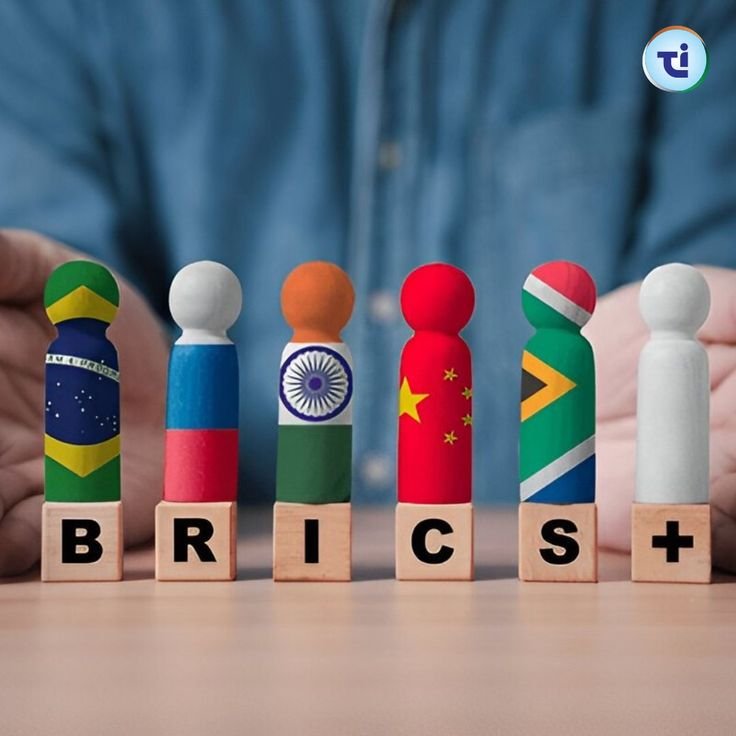
BRICS History: How Did It Start?
The term BRIC was coined by Goldman Sachs economist Jim O’Neill in 2001 to describe the economic potential of Brazil, Russia, India and China.
The four countries later began formal diplomatic coordination. Their first leaders’ summit took place in 2009.
South Africa joined in 2011, turning BRIC into BRICS.
The group expanded again in 2024, with Egypt, Ethiopia, Iran and the United Arab Emirates joining. Indonesia subsequently became a member, bringing the group to 11 members.
Who Are the BRICS Members?
As of 2026, the 11 BRICS members are:
- Brazil
- Russia
- India
- China
- South Africa
- Egypt
- Ethiopia
- Iran
- United Arab Emirates
- Indonesia
- Saudi Arabia
However, Saudi Arabia’s status has been subject to conflicting reporting and should be treated carefully when discussing membership. Recent BRICS-related material has listed it among the 11, while Reuters has reported that Saudi Arabia had not formally confirmed its accession.
India is therefore clearly a BRICS member and has been part of the group since its beginning as BRIC.
Who Is the Main Founder of BRICS?
There is no single founder of the BRICS organization in the same sense as a company.
Jim O’Neill, then an economist at Goldman Sachs, is widely credited with coining the term “BRIC” in 2001. Brazil, Russia, India and China later developed the concept into a diplomatic forum, with the first BRIC summit held in 2009.
South Africa joined later, creating the name BRICS.
Which Country Refused to Join BRICS?
Argentina is a notable example.
Argentina had been invited to join the expanded BRICS group, but its government under President Javier Milei decided not to proceed with the planned accession.
Saudi Arabia is a different case. It received an invitation but its formal membership status has remained unclear in some reporting. Therefore, it should not simply be described as a country that “refused” BRICS membership.
Who Is the President of BRICS?
BRICS does not have a permanent president like a country or a company.
Instead, the BRICS chairmanship rotates among member countries.
India holds the BRICS chairmanship in 2026 and hosted the 2026 BRICS Leaders’ Summit in New Delhi on September 12–13. Brazil held the chairmanship in 2025.
So, if someone asks “Who is BRICS’ president?”, the more accurate answer is that India is the 2026 BRICS chair, rather than BRICS having a permanent president.
How Does BRICS Impact the Global Economy?
BRICS matters because its members represent a large share of the world’s population, production, energy markets and emerging-market activity.
Its economic influence can develop through several channels.
Trade and Investment
BRICS countries are looking for greater trade and investment among member economies. More transactions between members can increase the importance of emerging-market currencies and financial systems.
New Development Bank
One of BRICS’ major financial institutions is the New Development Bank, which finances infrastructure and sustainable-development projects.
This gives member and other eligible countries another source of development financing alongside established institutions.
Cross-Border Payments
BRICS countries have also discussed making international payments faster, cheaper and less dependent on existing financial systems.
This does not mean that the U.S. dollar is about to disappear from global trade. However, efforts to increase the use of local currencies could gradually change how some international transactions are conducted.
Global Economic Governance
BRICS members have repeatedly called for reforms to international financial institutions so that emerging economies have greater representation.
This is one reason BRICS attracts attention from investors, governments and economists.
Why Does BRICS Matter for India?
India is one of the original BRIC economies and remains an important member of the expanded group.
For India, BRICS provides a platform to discuss trade, investment, energy, technology, development financing and global financial reforms with major emerging economies.
India’s 2026 chairmanship also gives New Delhi an opportunity to influence the group’s agenda and discussions.
What Could BRICS Mean for the Global Economy?
BRICS is unlikely to operate as a single economic bloc because its members have different political priorities, economic structures and foreign-policy positions.
Its importance may instead come from increased cooperation among emerging economies.
Investors and businesses should watch developments involving:
- International trade
- Local-currency settlements
- Cross-border payment systems
- Energy markets
- Development financing
- Global financial institutions
- Relations between major BRICS economies
The group’s growing membership gives it a larger economic footprint, but its future influence will depend on how effectively its members can cooperate.
Conclusion
BRICS has evolved from the BRIC concept introduced by Jim O’Neill in 2001 into a large international cooperation forum.
India has been part of BRICS from the beginning, and India holds the group’s chairmanship in 2026. The group’s focus on trade, development finance, payment systems and reform of global institutions makes it relevant to the global economy.
BRICS is not a replacement for the existing global financial system today. Its longer-term importance will depend on whether its members can turn their shared objectives into practical economic cooperation.
Frequently Asked Questions
What is BRICS and its purpose?
BRICS is a cooperation forum of major emerging economies. Its purpose includes economic cooperation, development financing, trade, investment and greater representation for emerging economies in global institutions.
How does BRICS impact the global economy?
BRICS can influence global trade, investment, energy markets, development financing and international payment systems through cooperation among its members.
Are India part of BRICS?
Yes. India is one of the original BRIC countries and remains a BRICS member. India holds the BRICS chairmanship in 2026.
Who is BRICS’ president?
BRICS does not have a permanent president. The chairmanship rotates between member countries. India is the BRICS chair in 2026.
Who is the main founder of BRICS?
Jim O’Neill coined the term “BRIC” in 2001. The four original countries later developed it into a formal diplomatic forum.